Sustainability

Sustainability Announcement
Tyrrell’s are proud to announce that as of October 2023, our Hunter Valley Winery and Vineyards are now officially endorsed as “Certified Members” of the national Sustainable Winegrowing Australia program.
This means that wines produced in our Hunter Valley Winery with grapes grown from our Hunter Valley owned-or-managed vineyards may now be classified as sustainable and sold and marketed with these credentials.
We are pleased that our long-held Sustainability philosophies and Environmental Management practices have now been officially recognised and endorsed by this national program.
As a fifth-generation Australian family-owned company, the sustainability of our vineyards and our entire business is of paramount importance, with our ongoing aim to protect and improve our land and environment for the benefit of many more generations to come.
Here at Tyrrell’s, we recognise that we have a responsibility to make our operations as sustainable as possible and are committed to doing everything we can to reduce our environmental impact, whether it’s in the vineyard, in the winery or in our broader operations.
With this in mind, in April 2009, we established an Environmental Management System (EMS) that was designed to operate in accordance with the requirements of the International Standard for Environmental Management, ISO 14,001. We also established a dedicated EMS team at the winery to monitor, record and reduce our energy usage. This allows us to review our environmental performance each year and measure our progress towards achieving our environmental objectives and targets.
The five main areas on which we’ve focused are:
- Sustainable vineyard management
- Reducing energy consumption
- Reducing water consumption
- Reducing waste
- Sustainability in packaging
Vineyard Management
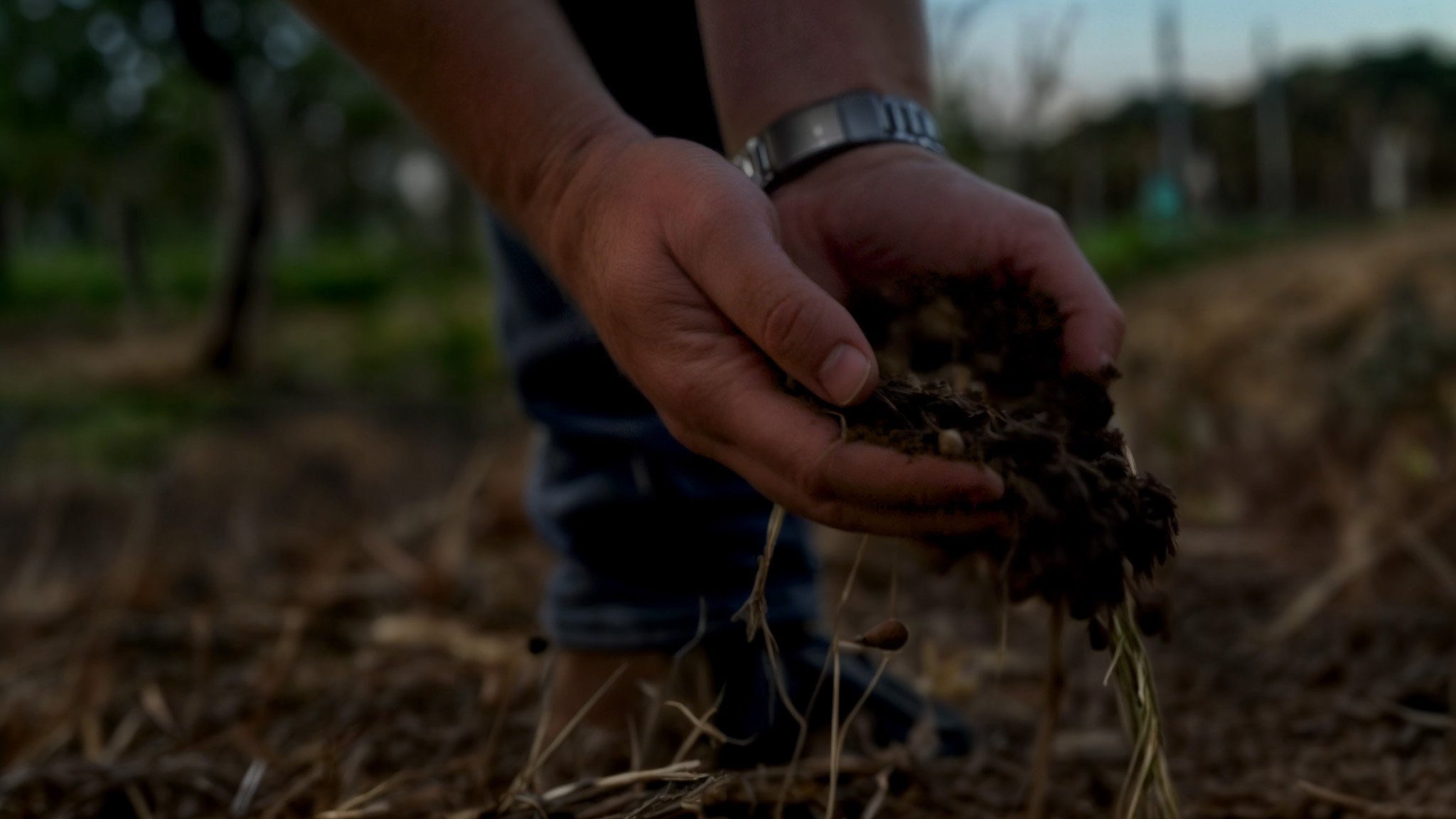
We manage our Vineyards sustainability to ensure the long term health of our precious vines, including the quality of soils they grow in, and the nutrients and water made available to them.
Some of the key management initiatives we employ to do this are as follows:
- Regular Sustainability Meetings to formulate, implement and review our vineyard management strategies as a team.
- Regular soil and petiole analysis to determine soil & vine health, and check for any nutrient deficiencies.
- Additions of soil nutrients and fertilizers as required, with an emphasis on increasing organic inputs wherever possible. (eg; seaweed extracts, organic manures, composts and mulch).
- Increasing the amount of cover crops planted between the vineyard rows each autumn (and thereby reducing cultivation). These cover crops provide a multitude of potential benefits, including increasing nitrogen and organic carbon levels in the soil, increasing the amount of beneficial microorganisms at the roots, improving soil structure, improving soil water retention, minimizing soil compaction and erosion, and attracting beneficial native insects.
- Use of undervine cut-off ploughing to remove grasses and weeds, to reduce the amount of herbicides required.
- Composting our grape waste from harvest, for re-use as composted mulch on our vineyards in Spring.
The fact that Tyrrell’s has so many old vines that have been producing quality wine grapes continuously for so long now (36 percent of our vines are more than 50 years old and 11 percent are more than 100 years old) is a good indicator of the sustainability of our vineyard management practices.
Energy
A central pillar of our environmental management program has been efforts to minimize our energy usage by improving efficiency, particularly when it comes to cooling and refrigeration, which is by far the largest consumer of energy in most Australian wineries.
- We run a very economical refrigeration system that maintains cooling-water temperatures of between 6°C and 8°C; many wineries run a refrigerated-brine system that recirculates the cooling liquid at temperatures a few degrees below zero.
- The cooling water is recirculated by four variable-speed-drive pumps, which are far more efficient than normal pumps, providing a 60 percent energy saving.
- We’ve upgraded the air conditioners and air-cooling units in our warehouses and barrel sheds so that they are more efficient, only running when absolutely necessary.
- We’ve spray-coated the main winery roof with heat-reflective paint, which greatly reduces the temperature within the building, thereby significantly reducing the load on our refrigeration plant.
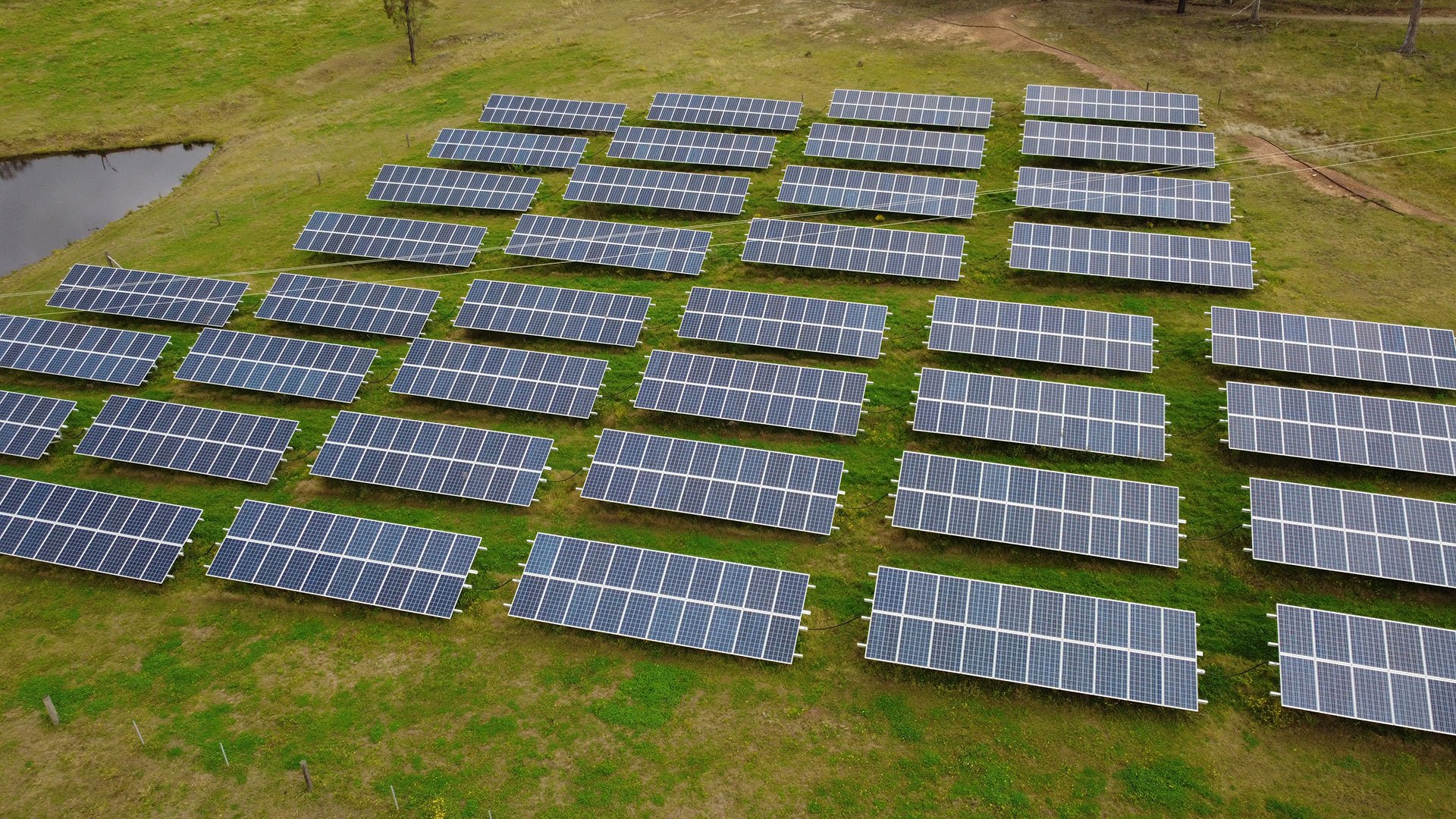
- In mid-2015, we installed a 350kW solar power system to reduce our greenhouse gas emissions from coal-fired electricity. The system now generates about a third of our total electricity consumption, resulting in an average saving of 445 tonnes of CO2Emissions per year.
- In 2018, we installed low-energy LED lights throughout the winery and other buildings, which reduced the amount of energy we consumed for lighting by 72 percent and total electricity usage by ten percent.
- In order to reduce the energy cost associated with transport of our wine, in September 2009, we started our ‘Bottle Lightweighting Initiative’. We switched all of our high-volume lines, which accounted for about three quarters of our total production at the time, to innovative super-lightweight bottles that were 28% lighter than their predecessors. Since then we have changed the majority of our other wine ranges over to lighter bottle weight alternatives, thereby saving a considerable amount of carbon emissions in the bottle’s manufacture and freight.
- We’ve stopped using cardboard carton dividers in our more commercial wine ranges to minimize the amount of packaging used.
And all of this work is paying off. Since we launched our EMS program in 2009, up to the end of 2023 we had achieved the following energy reduction results:
- A 46 percent reduction in our greenhouse gas emissionsper litre of wine produced, from fuel and electricity usage
- A 62 percent reduction in ourtotalgreenhouse gas emissions (tonnes CO2) from fuel and electricity usage
- A 10% reduction in our Total Energy Cost per Litre of Wine Produced
- An average saving of over 390 tonnes per year of greenhouse gas emissions from energy usage since the installation of our solar power system in 2015
Water
Water is an increasingly precious resource and at Tyrrell’s we treat it as such. Throughout its history, Tyrrell’s has maintained a culture of using dry-grown vineyards wherever possible – about 90 percent of our vines are unirrigated – so our water usage is low and we don’t have to worry about salinisation of the land, which is often a consequence of irrigation.
- We collect all of our winery waste water and then treat and re-use it to irrigate the paddocks around the property.
- We’ve upgraded our wastewater system so that it runs far more efficiently and with significantly less odour produced.
- We regularly analyse the wastewater as well as the soils onto which its sprayed.
- We monitor and record our fresh water usage.
Waste
Solid Waste
All our Grape Skins are collected after crushing/pressing operations and dumped into grapemarc piles in our paddocks, where they are mixed with chicken manure and green waste and composted. The composting process generates plenty of heat which neutralizes any vineyard pests and diseases, rendering the material safe to re-use as composted mulch in the vineyard in Spring.
We recycle as much of our other solid wastes as we possibly can through our Recycling Program (including 100% of our Wine Packaging waste), to minimize the amount of waste we send to landfill.
Solid wastes are segregated on-site into separate waste streams as follows, so that they can be collected efficiently and sent off-site for recycling:
- Glass Bottles and screwcaps
- Cardboard cartons & dividers, waste cardboard and paper
- Plastic Shrinkwrap
- Metal
- Oil
Liquid Waste
All our Winery Wastewater is collected, mixed, pH adjusted and irrigated out onto our surrounding paddocks through a large array of spray nozzles, which aerate the wastewater and broadcast it over a wide area to minimize risks of environmental damage.
The system is low-odour and produces lush green grass in the paddocks that receive the irrigation. A regular soil and water testing program is maintained, to check that we are not adversely affecting our environment.
Sewage waste on site is treated naturally through septic systems and grassed contour banks.
Sustainability in Packaging
Tyrrell’s are members of APCO, the Australian Packaging Covenant Organization, which seeks to minimize the amount of packaging waste sent to landfill.
A copy of our APCO Membership Certificate (which requires submission of an Annual APCO Report + Action Plan each year) can be found here:APCO Membership Certificate.
A copy of our2025 APCO Annual Report & Action Plan can be found here.
As members of APCO, we aim to meet or exceed the 2025 National Packaging Target as follows:
– 100% of our packaging to be reusable, recyclable and compostable
– 70% of our plastic packaging waste to be recycled or composted
– 50% recycled content (on average) to be used in our packaging supplies
Currently our glass bottles and cardboard cartons average 50% recycled material in their manufacture, and our screwcaps 35%.
100% of our waste glass bottles, cardboard cartons & dividers, and plastic shrinkwrapping on-site is collected, segregated and recycled.
A copy of Tyrrell’s ‘Sustainable Packaging Strategy’ as well as a timeline of packaging sustainability initiatives already introduced, can be found here
–Sustainable Packaging Strategy
–Sustainable Packaging Timeline


